Queer in the Field
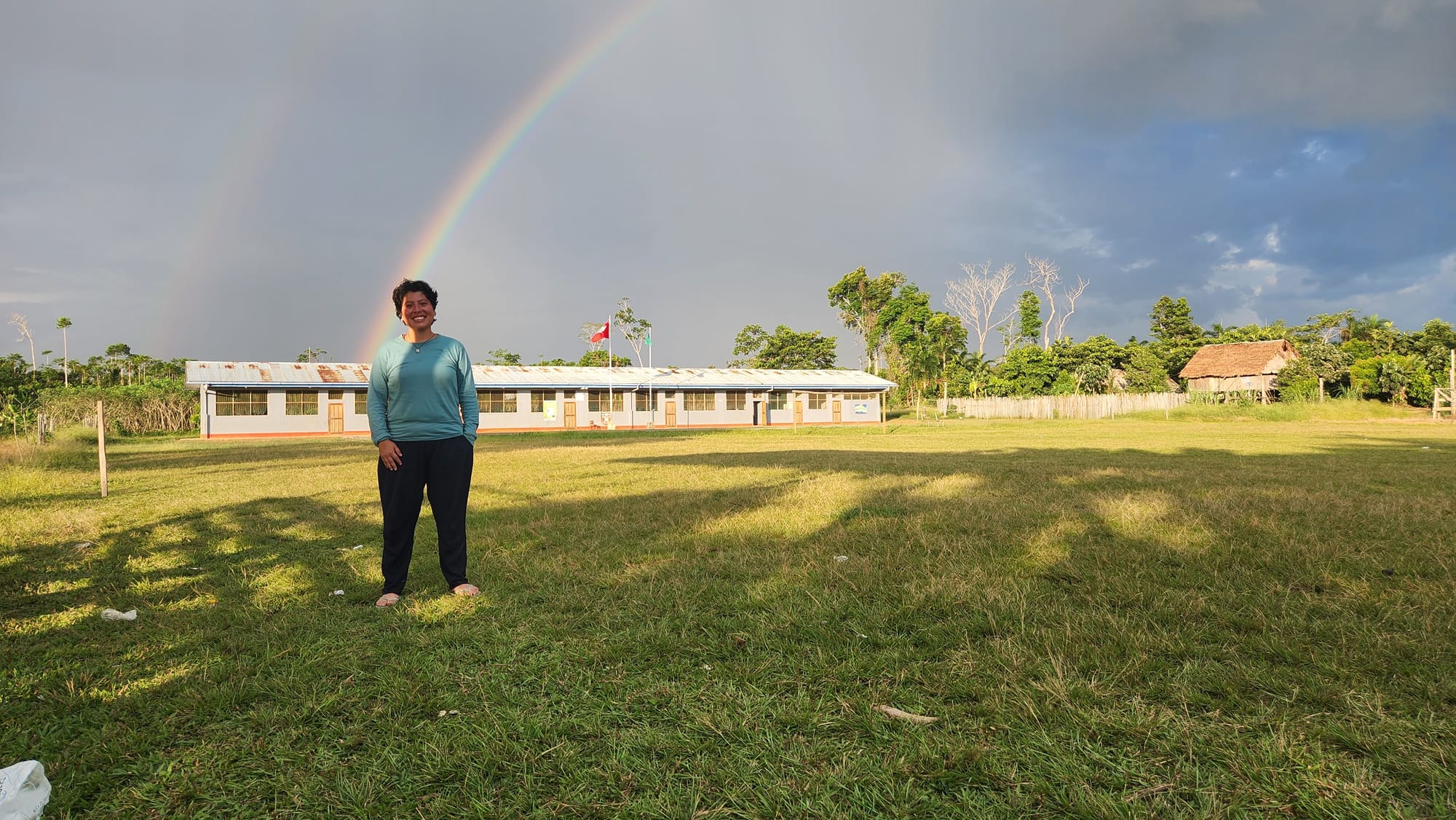
Ethnography is a methodology that depends on intimacy and the making of close connections with our interlocutors to foster reflexivity and produce rigorous qualitative data. But what happens when the gender identity of the researcher is a barrier to the establishment of intimacy?
My paper, The Political Economy of Belonging: A Transgender Framework for Ethnography in Rural Societies, grew out of that question—and out of my own experience navigating a gender transition toward a non-binary identity across seven years of ethnographic research with Indigenous and peasant communities in rural Peru. It is, in many ways, a deeply personal piece: an autoethnography of the exhaustion, the exposure, and the quiet survival strategies that shaped my fieldwork in ways I am only now fully able to name.
The paper argues that making ethnographic fieldwork accessible to transgender researchers requires rethinking the affective foundations of the method itself. I draw on trans studies frameworks to theorize the self-preservation practices I developed in the field, including the concealment of my gender identity and the adoption of less immersive research tools. Rather than reading these as methodological failures, I reframe them as politically meaningful responses to heteronormative field contexts. I conclude by proposing a political economy of intimacy as a framework for understanding how power, embodiment, and belonging shape what kinds of knowledge ethnography can produce—and for whom.
This paper is under review in Antipode.