Land scarcity among Indigenous Territories of the Peruvian Amazon: drivers and ramifications
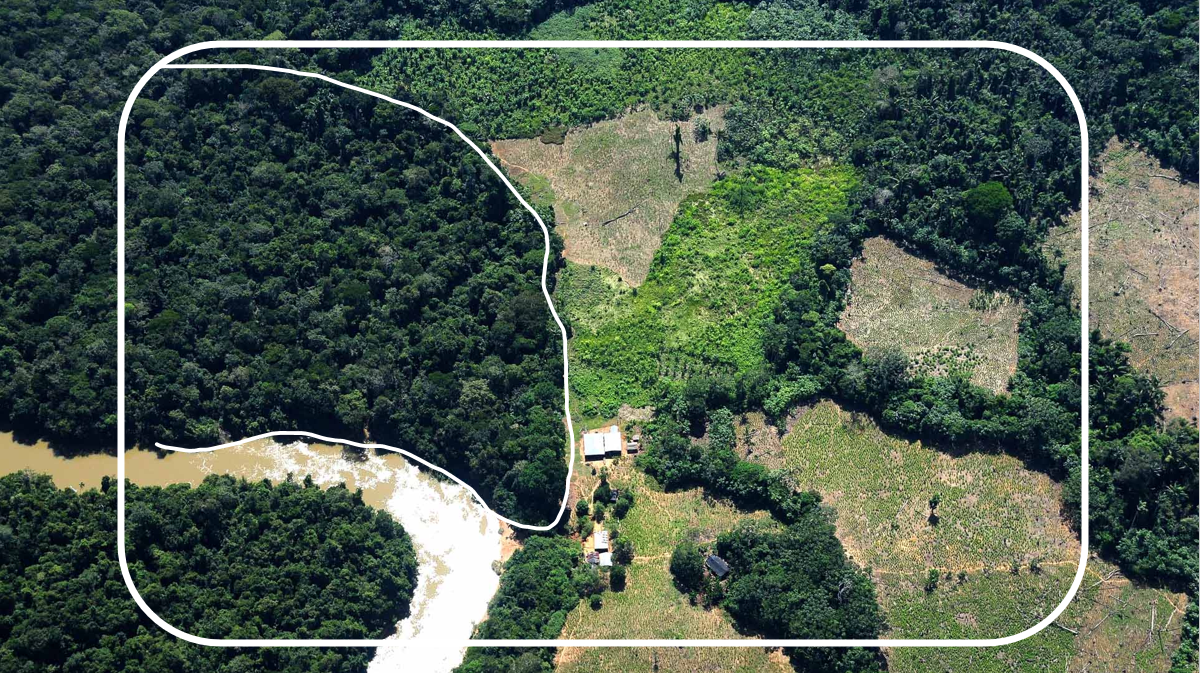
Recent scholarship reveals that Indigenous communities across Amazonia increasingly face resource impoverishment and environmental degradation, raising questions about whether Indigenous territories can sustain the livelihoods and well-being of their inhabitants. Land scarcity — the declining availability of forest land suitable for agricultural conversion — is particularly concerning, as it may shorten forest regeneration cycles and undermine the swidden-fallow agricultural practices that have long sustained these landscapes. Despite its critical implications, land scarcity in Amazonia remains understudied. Moreover, existing approaches tend to be Malthusian, focusing on population-resource ratios while overlooking how territorial allocation policies and land control regimes actively produce resource shortages within Indigenous territories.
My research addresses this gap through two complementary components. The regional component draws on socio-demographic and land-use data from the PARLAP project and land allocation data from IBC to assess the extent of land scarcity across titled Indigenous territories in the Peruvian Amazon and analyze the factors contributing to it. The local component examines how land scarcity shapes land use and management within communities on the ground. For this, I conducted approximately three months of fieldwork among Kichwa communities in the Napo basin. Working with my research assistant Juana Elescano, we administered household and plot surveys to 80 Indigenous households and conducted interviews with Indigenous leaders and other key basin-level actors.
Two manuscripts are being prepared from this research. The first, "Local Institutions Mediate Effects of Land Scarcity in Indigenous Territories in Amazonia," co-authored with Oliver T. Coomes, has been published in Sustainability. The second, "Policy-induced Land Scarcity among Amazonian Indigenous Territories," is currently under review at Land Use Policy, in collaboration with Oliver Coomes (McGill University), Yoshito Takasaki (University of Tokyo), Christian Abizaid (University of Toronto), and Maritza Paredes (PUCP).